

Lucuma in Summary
A concise overview of Lucuma, created as a summary page to present the most relevant information about the ingredient, including its origin, traditional context, composition and key points for Peru Naturals visitors.
Origin · Traditional uses · Nutritional profile · Key benefits
What is Lucuma?
Sapotaceae
Pouteria
P. lucuma
Lucuma, Lukuma
Flesh
Andes of Peru
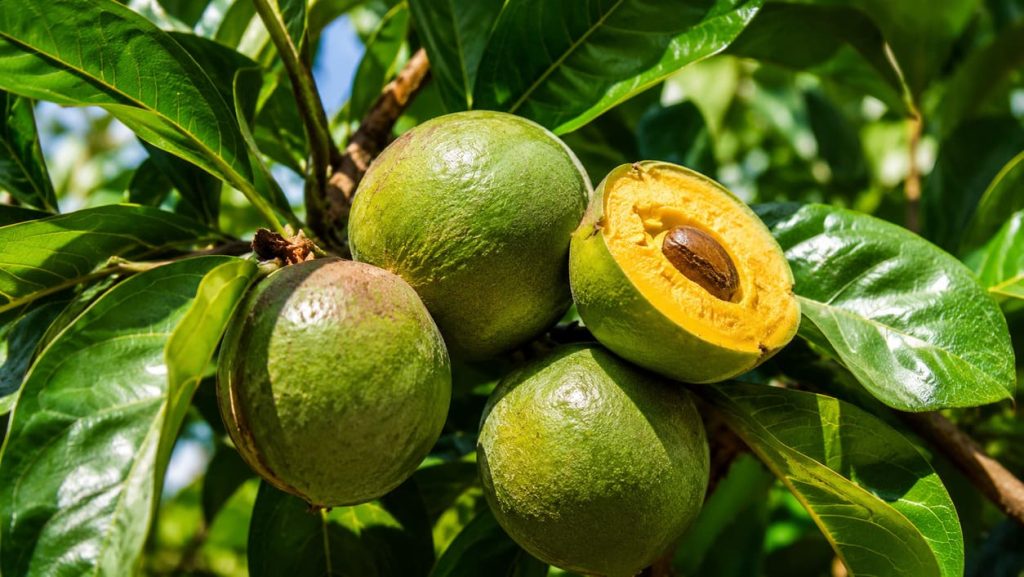
Lucuma is native to the valleys of the Andes of Peru. The fruit has been found on ceramics and fabrics of different peoples of Peru and was one of the most popular fruits of the Incas.
It has a unique flavor that is rather dry with a yellow-orange color and an uncommon aroma. Lucuma is also very nutritious and contains a large amount of fiber, vitamins and minerals.
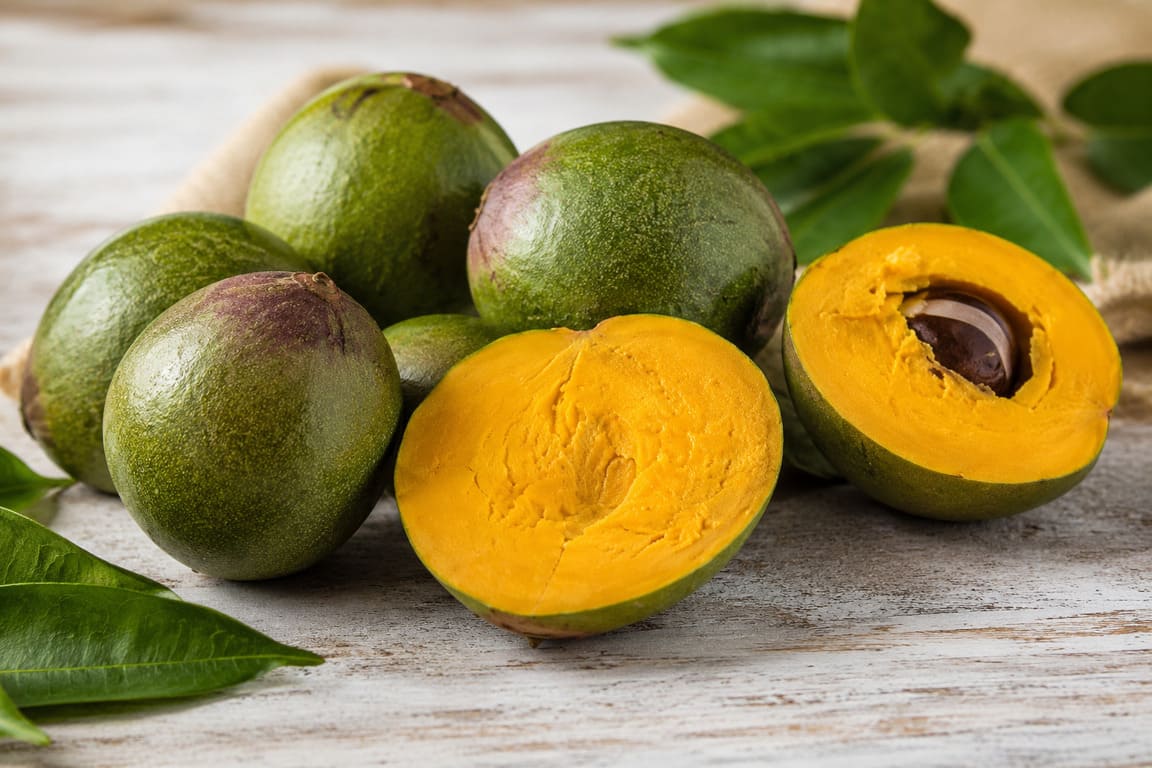
To this day, Lucuma is considered a national fruit in Peru, and the taste is a blend of fruity vanilla with notes of maple or caramel.
What is Lucuma used for?
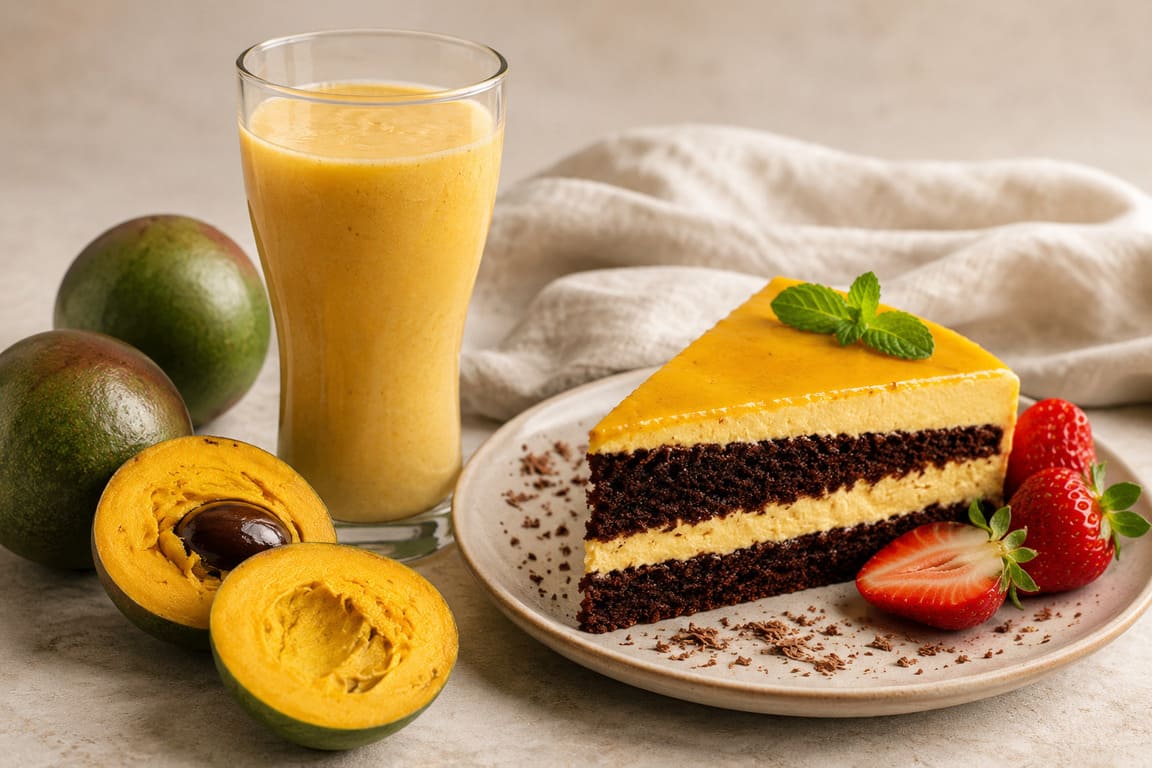
Lucuma is available in powder form outside of Peru. In food, it adds more than just its flavor; it also creates a creamy consistency, which makes it great for smoothies, oatmeal, yogurt, desserts and ice cream by adding a sweet, fruity, creamy, vanilla-caramel flavor.
Modern, gourmet raw food cuisine has already discovered Lucuma, and even with local cuisine it is very easy to use Lucuma to give a delicious new taste to old classics, or to create new dishes altogether.
Lucuma is sometimes recommended for sweetening. Because of its natural sugar content, it can reduce or completely eliminate the need for other sweeteners.
Besides its mostly culinary uses, the following are other known uses for Lucuma:
- To support digestion
- As a filling source of nutrients available even for the poorer classes
- Directly applied to the skin for the healing of wounds
How does Lucuma work?
In addition to adding flavor, Lucuma can also reduce the need for the use of sweeteners. It is interesting that it has a low glycemic index and therefore its impact on blood sugar levels is lower than that of conventional sweeteners.
Lucuma has been used for centuries not only for its effects in the body, but also for its anti-inflammatory effect on the skin. Lucuma can also be applied directly to the skin for treatment of abrasions.
The University of New Jersey in the United States found in a 2012 study that, with regular consumption of Lucuma, an anti-aging effect is achieved, reflected by a more radiant complexion and reduced wrinkles. However, these applications have been researched very little and Lucuma is consumed mainly because of its outstanding flavor.
What does Lucuma contain?
Lucuma is a sweet and very nutritious fruit. It is especially important to mention its high content in:
- Fiber
- Potassium, along with other minerals and vitamins
Is Lucuma safe?
Yes, Lucuma has been consumed in Peru for thousands of years and its consumption is greater today than ever before.
Lucuma:
- Is a food
- Has no toxic effect
- Has no negative side effects
- Like other foods, it is difficult to eat an “overdose” of it
- Can also be consumed by women during pregnancy
- Is equally suitable for children, adults and older people as a valuable food
Other things to know
Lucuma is also called “eggfruit” because its flesh looks like the yolk of a hard-boiled egg. The fruit has an oval shape with a diameter of 8 to 14 cm, while the orange-yellow flesh is encased in a green, smooth skin.
Most fruits fall unripe from the tree and are placed in hay or leaves to ripen. Rapid processing is crucial for the quality of the products made from the fruits.
Especially popular foods and dishes are lucuma ice cream, dairy products such as yogurt, fillings for pies, cakes and cookies, shakes and smoothies, as well as many other desserts.