
Purple Corn in Summary
A concise overview of Purple Corn, created as a summary page to present the most relevant information about the ingredient, including its origin, traditional context, composition and key points for Peru Naturals visitors.
Origin · Anthocyanins · Nutritional profile · Key benefits
What is Purple Corn?
Graminea
Zea Mays
Kculli
Purple Corn
Cob & Kernel
Andes of Peru
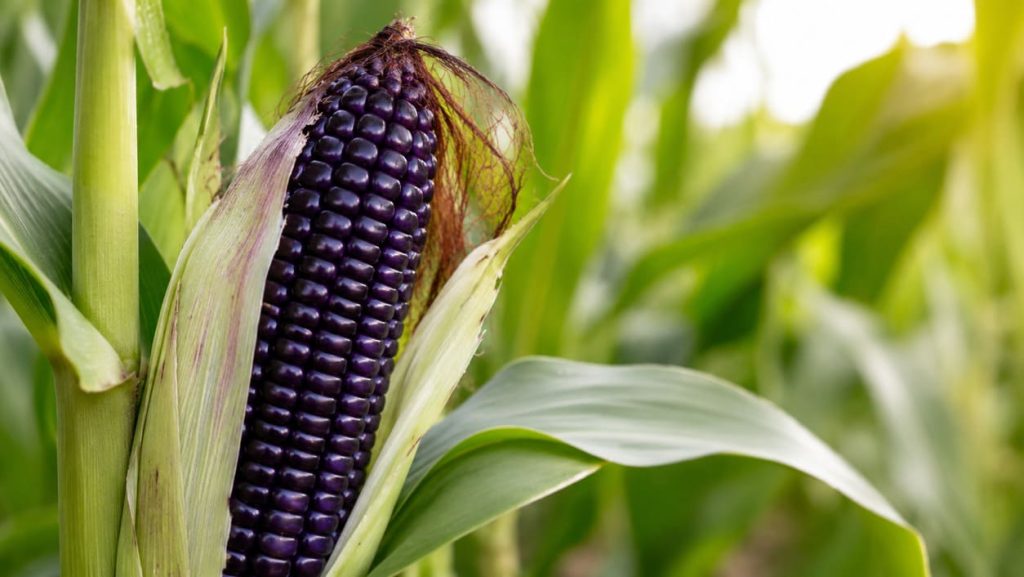
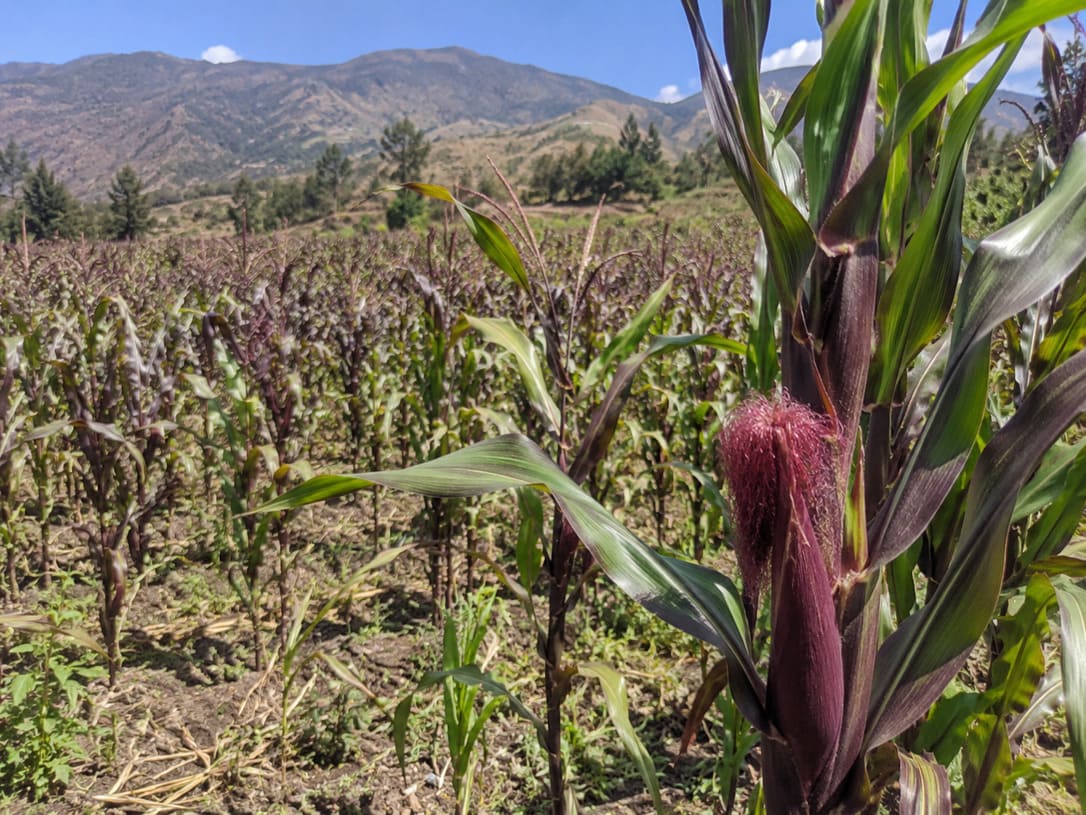
Purple corn, a variety of Zea mays, is a unique crop from the low valleys of the Andes of Peru. This crop is normally cultivated in lands over 10,000 ft above sea level and its origin goes back to the Inca civilization.
There are different varieties of purple corn, all of them originated from the ancestral species called “Kculli”, still cultivated in Peru. Ancient objects in the shape of these particular ears of corn have been found in archaeological sites at least 2,500 years old among the ceramics of the “Mochica” culture.
What is Purple Corn good for?
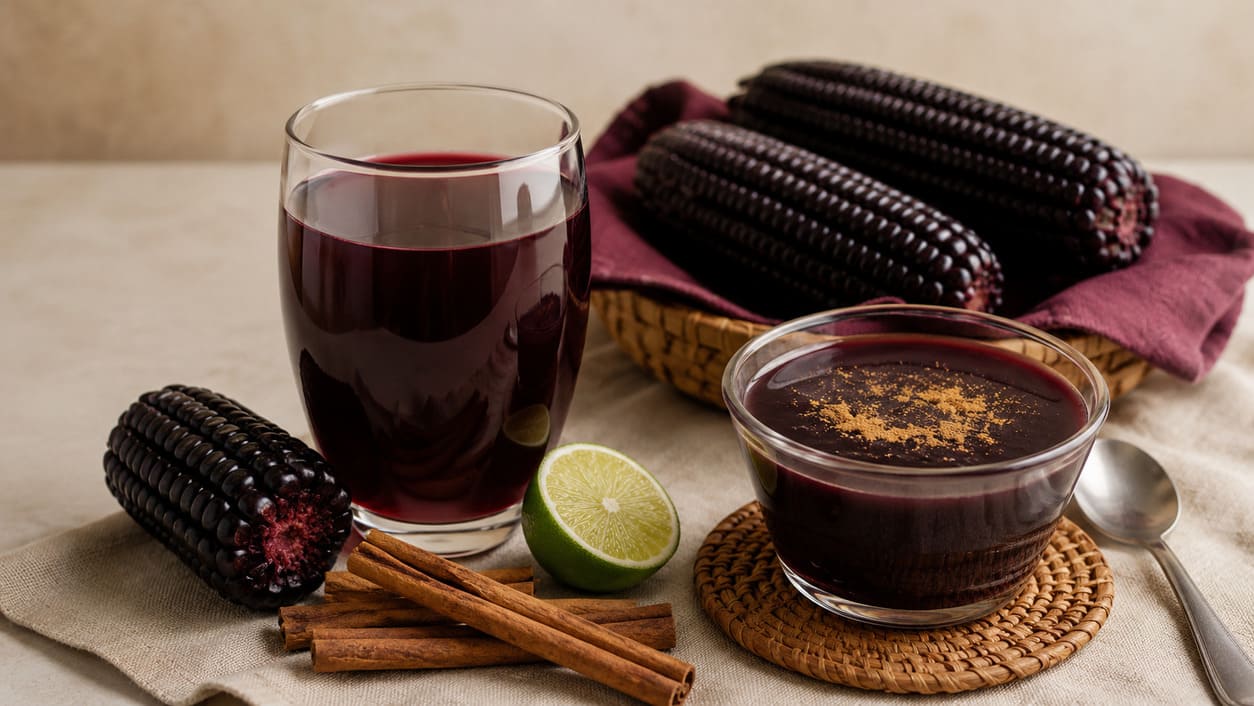
People of the Andes make a refreshing drink from purple corn called “Chicha Morada”, which is now recognized as a nutritive powerhouse due to its phenolic and anthocyanin content.
- Helps to regulate blood pressure
- Helps to regulate cholesterol
- Promotes blood flow circulation
- Protects blood vessels from oxidative damage
- Improves microcirculation
- Is anti-inflammatory
- Encourages connective tissue regeneration
- Promotes collagen formation
- Antioxidant
How does Purple Corn work?
Anthocyanin is a type of complex flavonoid mainly produced by blue, purple or red colored plants. Polyphenol intake, which anthocyanins are part of, can protect LDL cholesterol from becoming oxidized, a key step in developing arteriosclerosis, lower blood pressure in hypertensive subjects, reduce the tendency of blood clot and elevate total antioxidant capacity of the blood.
The results of several epidemiological studies indicate that regular consumption of foods rich in anthocyanin and phenolic compounds is associated with reduced risk of developing cardiovascular disease and certain types of cancer.
It is known that colon and rectum cancer is the second most deadly of all forms of cancer. The one that affects the colon is more frequent in women, and the rectal cancer is more common in men. In Nagoya University, Japan, a group of researchers from the School of Medicine has demonstrated that the pigment in purple corn impedes the development of cancer in the colon.
Flavonoids, also known as bioflavonoids, are a type of plant pigment which produces yellow, red or blue-purple pigmentation in flowers and protects them from attack by bugs and other predators.
Flavonoids are found in high quantities in certain fruits, herbs and vegetables, particularly high in purple corn.
What these chemicals do above everything else is provide a huge dose of antioxidant help to our internal systems. Flavonoids also have a low toxicity compared to other active plant compounds, and they have been called “nature’s biological response modifiers” because they can help the body react appropriately to viruses, carcinogens and allergens, giving a powerful boost to the immune system.
Flavonoids exhibit anti-inflammatory, antimicrobial and anti-cancer properties because they protect against oxidative and free radical damage caused by pollution and the body’s normal metabolic processes. Free radicals are responsible for a lot of the damage done to the body by poisons such as pollution, cigarette smoke or drugs; they are one of the major factors that contribute to ageing.
What does Purple Corn contain?
Purple corn contains substantial amounts of phenolics and anthocyanins, among other phytochemicals. Its main colorant and antioxidant is cyanidin-3-b-glucose (C3G).
Crops with high phenolic and anthocyanin content have bioactive and functional properties as well as the highest antioxidant capacity. Purple corn is one of the foods with the highest antioxidant capacity and antiradical kinetics.
Is Purple Corn safe?
Yes, it is a variety of corn which has not only been used for literally thousands of years, but even its consumption today is very intensive in Peru.
Purple Corn by itself:
- Is a food
- Has no toxic actions
- Has no known side effects
- Has no special risk for overdose, and can be consumed as any food
- Is safe for pregnant women
- Is good for children, adults and elders
Other things to know
In Peru, people are extensively using purple corn and it can be considered part of the daily food. However, as a difference to the usual corn consumption, purple corn is not eaten but mainly used during food preparation.
It is usually cooked, but later the cob is removed from the food, leaving only its color. This is done for the most famous national drink from Peru, “Chicha Morada”, as well as one of the most famous desserts, “Mazamorra Morada”.