
Benefits of Omega 3 and 6
A short educational reference summarizing the role of omega-3 and omega-6 essential fatty acids in normal development, immune response, aging, cardiovascular wellness, vision and food sources.
Omega 3 Omega 6 Essential fatty acids Immune system Vision Food sources Child development

Omega 3 and 6 Benefits
The fatty acids omega-3, together with omega-6, are essential fats for the human body. Their presence in food is needed for the normal development of the organism.
Which are the benefits of these fatty acids?
In children, essential fats contribute to control of dispersed attention syndrome, supporting higher concentration, systematic activity, discipline rules and academic performance, since they are indispensable for the normal function of the part of the brain which coordinates memory and reasoning functions.
Another benefit of omega-3 is related to the immune system. It has been demonstrated to have a regulating function in the synthesis of substances that could cause disorders such as fever, pain, swelling and irritation.
It is also related to the aging process. A diet rich in omega-3 contributes to good mental health in people of the third age, acting as a natural anti-inflammatory; these fatty acids are described as a favorable compound in relation to Alzheimer disease and arthritis.
Omega-3 has an inhibitory effect on thrombosis in the arteries, by which the blood becomes more fluid, avoiding cardiovascular problems. On the other hand, omega-6 reduces the levels of LDL cholesterol, but also those of HDL cholesterol; therefore a good relation in the ingestion of fatty acids omega 3 and 6 should coexist so they can produce a favorable effect in human health.
Omega-3 is important for vision, because it allows the brain to capture more rapidly the images that the person is observing.
Where can we find fatty acids omega-3 and 6?
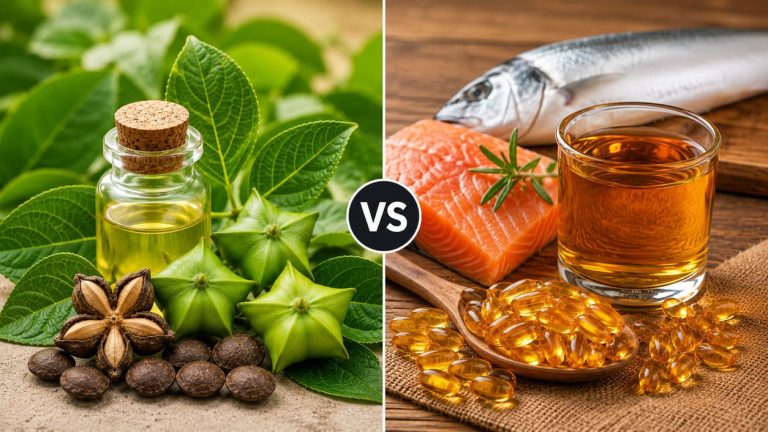
Omega-3 fatty acids are found in soya bean oil, dry fruits such as nuts, almonds and hazelnuts, and in deep water fish. They are also present in lesser quantity in mackerel, herring, salmon, sardine, tuna and anchovy. Canned products also contain them.
It is important to incorporate these foods two times per week, mainly in children, teaching them the benefits they possess in order to achieve better acceptance.
Omega-6 is found in integral cereals, dry fruits, sunflower seeds, peanut, vegetables, chicken, pork, corn, sunflower, grape and cardamon oils, mayonnaise and margarines.
A varied and balanced diet can help prevent many illnesses, and it is of vital importance to incorporate all nutrients, mainly in children’s meals, as they need them during growth and development.
This content is provided for educational and reference purposes and should not be interpreted as medical advice.
Related Insights