
All About Maca
An introductory general-reading resource about maca. It presents maca’s origin and geographical context, ecology and agronomy, composition, comparative values, adaptogenic context, and traditional and nutritional uses. This is editorial educational content, not a peer-reviewed research study.
Origin & geography · Ecology & agronomy · Nutritional composition · Comparative values · Adaptogenic context · Traditional & nutritional uses
What is Maca?
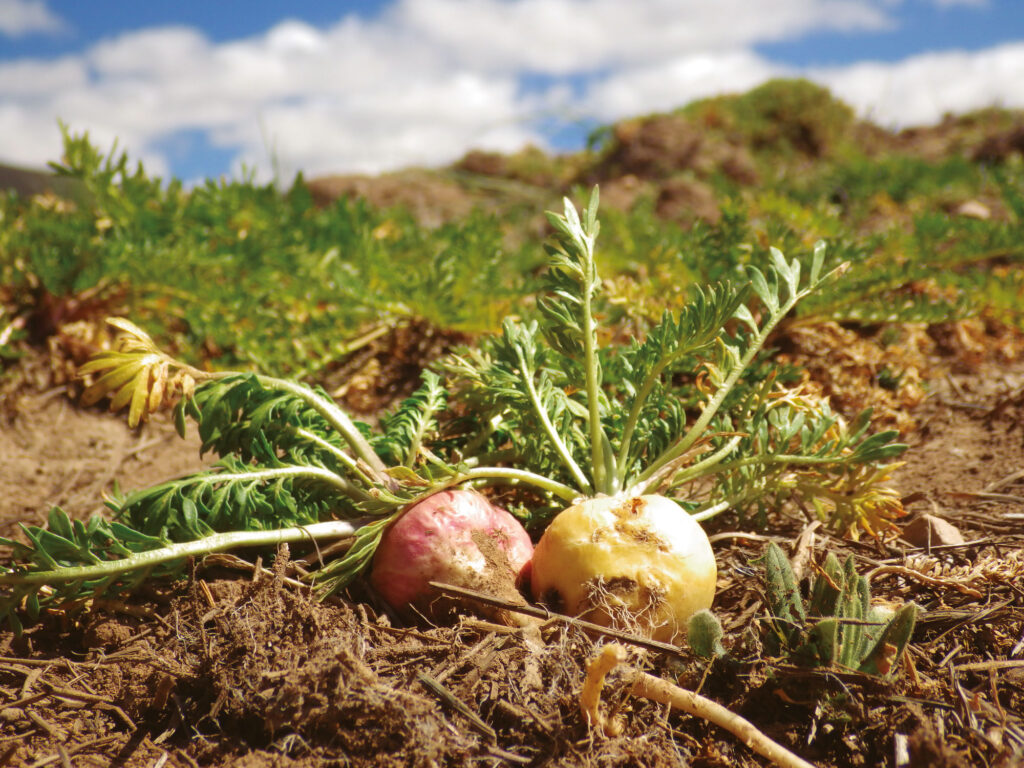
Maca, Lepidium meyenii Walpers, is a reserving root that grows in the Andean highland zones of Peru at altitudes above 4,000 meters, in a region of intense sunlight, strong winds and low temperatures.
Maca grows in the Peruvian Andes, particularly on the Junín Plateau and in areas such as Cerro de Pasco. Its capacity to flourish under harsh growing conditions has made it one of the most representative native crops of the central Andes.
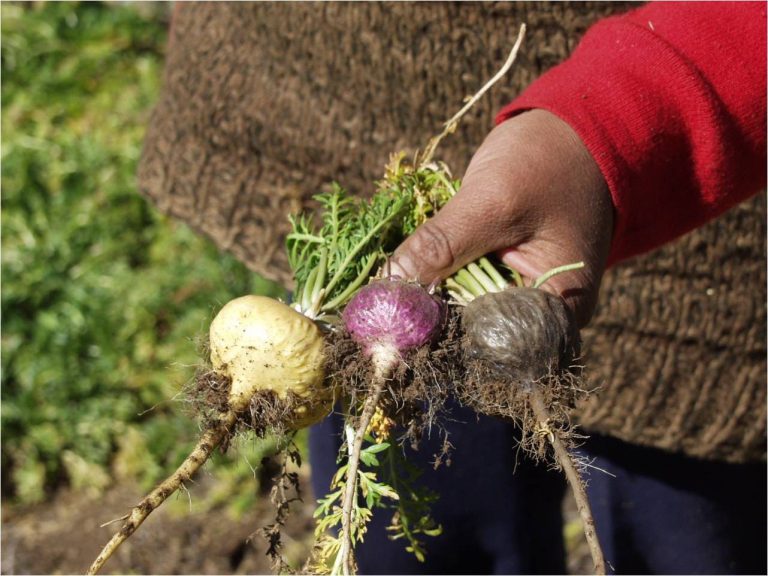
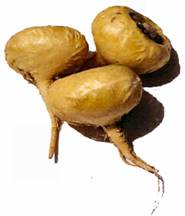
The plant is grown from seed, and root maturation generally occurs within seven months. Its appearance may be described as a low-growing shrub with small off-white flowers and scalloped leaves. The root may be cream, cream-purple, purple or black, and is comparable in shape to a turnip or radish.
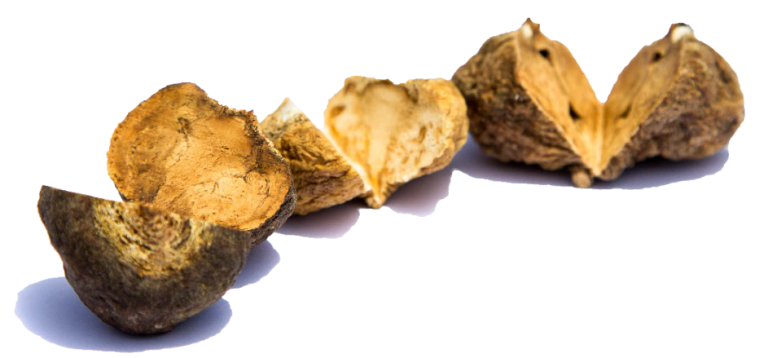
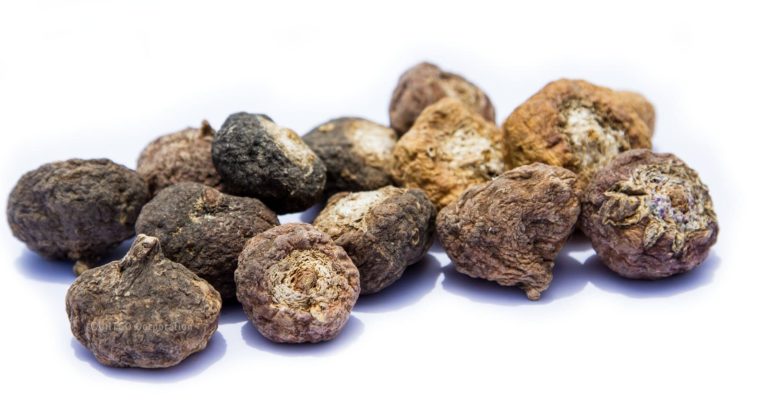
The nutritional value of dried maca root is high. Its protein content is found mainly in the form of polypeptides and amino acids, and maca is also a source of fatty acids, minerals and vitamins.
Maca is believed to have been domesticated approximately 2,000 years ago by Andean cultures. Primitive cultivars have been found in archaeological sites dating back as far as 1,600 B.C.
General References
Geographical Distribution
Maca is an Andean crop of narrow distribution. It is currently associated with the suni and puna ecosystems of the departments of Junín and Cerro de Pasco, at elevations above 3,500 meters and often reaching 4,450 meters in the central Andes of Peru.
The largest cultivated area is found around Lake Junín at Huayre, Carhuamayo, Uco, Ondores, Junín, Ninacaca and Vicco. Historical references suggest that maca may once have occupied wider areas of cultivation, including parts of Cusco and the Lake Titicaca watershed.
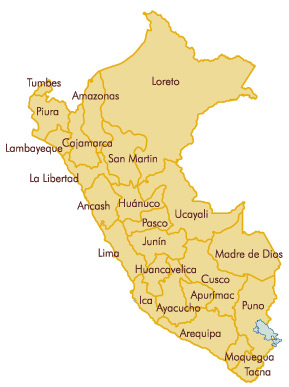
Today, maca cultivation is mainly restricted to Pasco and Junín. In the past, it is believed to have been cultivated more widely, covering areas from Junín to Puno.
Ecology and Agronomy
Ecology
Maca is one of the native cultivated plants with the highest frost tolerance. It is able to grow in the puna, where only alpine grasses and bitter potatoes thrive. The natural habitat of highland Peruvian maca has an average minimum temperature of approximately -1.5°C and an average maximum of 12°C.
Frost is frequent, with temperatures that can reach as low as -10°C. Relative humidity is high, with an average close to 70%, and the natural soil in the maca production area is volcanic.
Agronomy
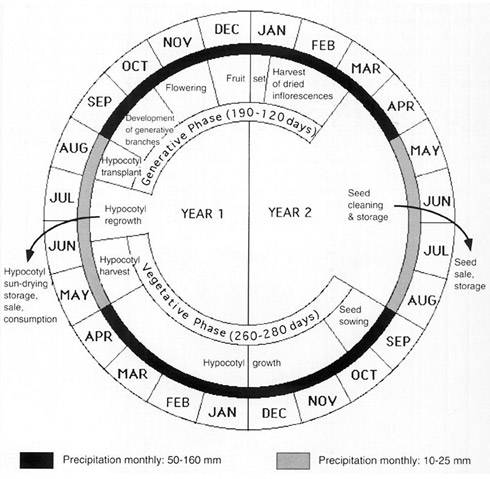
Maca is sown in small plots in empty grazing fields by broadcasting seeds that still contain floral debris mixed with soil. In the Junín area, seed stored for several years is commonly used, although viability may be reduced.
Sowing generally takes place from September to October, at the beginning of the rainy season. The soil is prepared, clods are broken up and the land is fertilized with sheep manure. Plants are thinned approximately two months after sowing in order to obtain larger hypocotyls.
Hypocotyls are harvested from May to July, when they reach their maximum size, about five centimeters in diameter. They are lifted carefully with local tools to avoid damaging the roots.
After harvesting, whole plants are dried during the day under the sun for approximately 10 to 15 days and covered at night to avoid rain and frost damage. The leaves are left on the plant during drying, as local farmers believe this produces sweeter roots.
Composition
Maca root is a nutrient-dense food and a source of amino acids, complex carbohydrates, vitamins and minerals. In addition to its essential nutrients, maca contains several bioactive components that have been associated with its traditional uses.
Primary Bioactive Components
Alkaloids
Alkaloids are a large group of pharmacologically active substances found in plants. The alkaloids identified in maca include Macaina 1, 2, 3 and 4, Macamides and Macaenes.
The original source describes maca alkaloids as acting on the hypothalamus-pituitary axis and the adrenals, supporting the regulation of endocrine glands such as the pituitary, adrenals, ovaries, testes, thyroid and pancreas.
Glucosinolates
Glucosinolates are sulphur-containing glycosides. Maca contains glucosinolate metabolites such as Indole-3-Carbinol and Isothiocyanates, which have been identified as relevant compounds in the plant.
Sterols
Sterols are steroid-like compounds found in plants and animals. Maca contains several plant sterols, including brassicasterol, ergosterol, campesterol and sitosterol.
Main components
- Water
- Proteins
- Lipids
- Hydrosoluble carbohydrates
- Ashes
- Fibre
| Component | % |
|---|---|
| Water | 5.00 – 19.62% |
| Proteins | 10.10 – 18.25% |
| Lipids | 0.20 – 2.20% |
| Hydrosoluble carbohydrates | 51.81 – 76.05% |
| Ashes | 3.46 – 6.43% |
| Fibre | 3.85 – 8.50% |
Vitamins
- Vitamin A (Carotene)
- Vitamin B1 (Thiamine)
- Vitamin B2 (Riboflavin)
- Vitamin B3 (Niacin)
- Vitamin C (Ascorbic Acid)
- Vitamin E (Tocopherol)
| Vitamin | mg/100g |
|---|---|
| Vitamin A (Carotene) | 0.07 |
| Vitamin B1 (Thiamine) | 0.15 – 1.17 |
| Vitamin B2 (Riboflavin) | 0.31 – 0.76 |
| Vitamin B3 (Niacin) | 37.27 – 43.03 |
| Vitamin C (Ascorbic Acid) | 0.80 – 3.52 |
| Vitamin E (Tocopherol) | 87.00 |
Minerals
- Potassium
- Calcium
- Phosphorus
- Magnesium
- Sodium
- Iron
- Zinc
- Copper
- Manganese
| Mineral | mg/100g |
|---|---|
| Potassium | 1000.00 – 2050.00 |
| Calcium | 150.00 – 650.35 |
| Phosphorus | 183.00 – 329.00 |
| Magnesium | 70.00 – 114.00 |
| Sodium | 18.70 – 40.00 |
| Iron | 9.93 – 24.37 |
| Zinc | 2.80 – 6.12 |
| Copper | 5.90 |
| Manganese | 0.80 |
Amino acids
Maca contains several amino acids, including aspartic acid, glutamic acid, serine, histidine, glycine, threonine, alanine, arginine, tyrosine, phenylalanine, valine, methionine, isoleucine, leucine, lysine, proline and sarcosine.
| Amino Acid | Concentration in mg/g of Protein |
|---|---|
| Aspartic Acid | 91.70 |
| Glutamic Acid | 156.50 |
| Serine | 50.40 |
| Histidine | 21.90 |
| Glycine | 68.30 |
| Threonine | 33.10 |
| Cystine | N/A |
| Alanine | 63.10 |
| Arginine | 99.40 |
| Tyrosine | 30.60 |
| Phenylalanine | 55.30 |
| Valine | 79.30 |
| Methionine | 28.0 |
| Isoleucine | 47.40 |
| Leucine | 91.00 |
| Lysine | 54.50 |
| Tryptophan | N/A |
| H. O. Proline | 26.00 |
| Proline | 0.50 |
| Sarcosine | 0.70 |
Fatty acids
The original composition data identifies several fatty acids in maca, including dodecanoic, tridecanoic, tetradecanoic, pentadecanoic, esadecanoic, heptadecanoic, octadecanoic, nonadecanoic, eicosanoic, docosanoic and tetracosanoic acids.
| Fatty Acid | Concentration |
|---|---|
| Dodecanoic | 0.80 |
| 7-Tridecenoic | 0.30 |
| Tridecanoic | 0.10 |
| Tetradecanoic | 1.40 |
| 7-Pentadecenoic | 0.50 |
| Pentadecanoic | 1.10 |
| 9-Esadecanoic | 2.70 |
| Esadecanoic | 23.80 |
| 9-Heptadecanoic | 1.50 |
| Heptadecanoic | 1.80 |
| 9,12 Octadecanoic | 12.60 |
| 9-Octodecanoic | 11.10 |
| Octadecanoic | 6.70 |
| 11-Nonadecanoic | 1.30 |
| Nonadecanoic | 0.40 |
| 15-Eicosanoic | 2.30 |
| Eicosanoic | 1.60 |
| Docosanoic | 2.00 |
| 15-Tetracosanoic | 0.40 |
| Tetracosanoic | 0.40 |
| Saturated Fatty Acid | 40.10 |
| Unsaturated Fatty Acid | 52.70 |
| Saturated:Unsaturated Ratio | 0.76 |
Natural sterols
- Brassicasteryl Acetate
- Ergosteryl Acetate
- Campesteryl Acetate
- Ergostadienyl
- Sitosteryl Acetate
- Sitosteryl
| Sterols | % | Retention Time (min) |
|---|---|---|
| Brassicasteryl | 9.10 | 22.40 |
| Ergosteryl | 13.60 | 23.80 |
| Campesteryl | 27.30 | 25.00 |
| Ergostadienyl | 4.50 | 27.50 |
| Sitosteryl | 45.5 | 19.50 |
Comparative Values
The following table compares maca’s main nutrients with several common foods per 100 grams. It has been reformatted for readability while preserving the comparative structure of the original material.
| Food | Cal. | Water (g) | Prot. (g) | Fat (g) | Carbs (g) | Fibre (g) | Ca (mg) | Fe (mg) | Zn (mg) | B1 (mg) | B2 (mg) | C (mg) | E (mg) |
|---|---|---|---|---|---|---|---|---|---|---|---|---|---|
| Maca | 314 | 7 | 15 | 1.6 | 61 | 6 | 247 | 16.6 | 3.8 | 0.20 | 0.35 | 60 | 87 |
| Potato | 79 | 77.3 | 2.5 | 0.2 | 18 | 2 | 7.2 | 0.78 | 0.27 | 0.1 | 0.04 | 19.4 | 0.1 |
| Bread | 258 | 31 | 7.8 | 1 | 58 | 2.2 | 56 | 1.6 | 0.61 | 0.08 | 0.05 | 0 | Tr |
| Whole Wheat Flour | 348 | 6.1 | 9.3 | 1.2 | 80 | 3.4 | 15 | 1.1 | 0.8 | 0.09 | 0.06 | 0 | Tr |
| Rice | 359 | 5.9 | 7 | 0.9 | 86 | 0.2 | 14.2 | 0.8 | 1.5 | 0.05 | 0.04 | 0 | 0.33 |
| Peas | 314 | 8.7 | 23.8 | 1.8 | 54 | 11.7 | 70 | 8.2 | 3.7 | 0.47 | 0.2 | 3 | 1.8 |
| Milk* | 65 | 88.6 | 3.3 | 3.7 | 5 | 0 | 120 | 0.04 | 0.41 | 0.03 | 0.18 | 1 | 0.1 |
| Cheese* | 401 | 38.5 | 29 | 31 | 1.5 | 0 | 850 | 1 | 4 | 0.02 | 0.35 | 0 | 0.8 |
| Beef** | 131 | 73.9 | 20.7 | 5.4 | Tr | 0 | 8 | 2.1 | 3.8 | 0.06 | 0.22 | 0 | 0.15 |
| Pork** | 155 | 71.7 | 20 | 8.3 | Tr | 0 | 8 | 1.5 | 2.5 | 0.89 | 0.2 | 0 | 0 |
* Dairy products and ** meat products are included for comparison purposes because they are common sources of protein, calcium, riboflavin, iron and zinc.
Maca as an Adaptogen Plant
An adaptogen is commonly described as a food or nutritive herb that supports the body’s resistance to physiological and emotional stress. Plants known as adaptogens are traditionally associated with non-specific support for normal body functions.
The term “adaptogen” was first used by the Russian scientist Dr. Nikolai Lazarev in 1947. He later described a group of plants that appeared to support the body’s natural resistance to environmental stress.
To be considered a true adaptogen, a plant is generally expected to meet three criteria:
- It should be non-toxic and harmless to the body under normal use.
- Its action should be non-specific, supporting normal body functions despite different forms of stress.
- It should help normalize body functions without disturbing normal physiological activity.
Maca has traditionally been described as an adaptogenic plant because of its nutrient density and its long history of use in highland Andean communities. The original source associates maca with the endocrine, nervous and hormonal systems, especially in relation to stress and aging.
Traditional Benefits
Maca is not presented here as a medicine. It is a food traditionally valued for its naturally occurring nutrients and its historical use in supporting general balance and well-being.
In traditional use, maca has been associated with energy, physical and emotional well-being, stamina, mental clarity, vigor and general vitality.
Traditional references have associated maca with support for:
- Energy
- Physical and emotional well-being
- Mental clarity and memory
- Stress response
- Physical condition and reflexes
- Stamina and athletic performance
- Muscularity
- Vigor
- Rejuvenation
- General hormonal balance
- Menopause-related well-being
- Libido and sexual health
- Immune system support
Related Insights