
Essential Fatty Acids and Sacha Inchi
An educational reference explaining fats and essential fatty acids, omega-3 and omega-6 balance, dietary sources, and the role of essential fatty acids in the body.
Essential fatty acids Omega 3 Omega 6 Fatty acid balance Prostaglandins Dietary sources Flaxseed oil Sacha Inchi oil
Essential Fatty Acids
Let’s understand these fats a little. The entire body is made from food, water, air and light. Foods needed include protein, carbohydrates and fat.
What is a fat?
Fat is a substance made from molecules of hydrogen, carbon and a little oxygen. What kind of fat it is depends on the different combinations of these molecules.
What are the Essential Fatty Acids?
There are twenty different needed fatty acids in the body, but they are all made from two: linoleic acid and linolenic acid. These two fatty acids are essential. They must come from foods because the body cannot manufacture them.
Essential fatty acids are necessary to make cell membranes and many important hormones and chemical messengers. Linoleic fatty acid family is known as omega-6 fatty acids, while linolenic fatty acids are often called omega-3 fatty acids.
Omega-3 and omega-6 essential fatty acids are especially important for making prostaglandins, hormone-like substances that regulate activities including inflammation, pain, swelling, blood pressure, heart, kidneys, digestive system and body temperature.
Fatty acids are also natural blood thinners and contain anti-inflammatory compounds. They influence the structure of the cells lining the intestinal tract and the villi through which absorption of nutrients takes place.
Your brain is approximately 60 percent fat, and DHA, an omega-3 essential fatty acid, is the most abundant fat in the brain. It is also abundant in breast milk and is important for brain and eye development.
The Unbalanced Essential Fatty Acids
Omega-3 essential fatty acid is essential to human health but is lacking in most Western diets. The balance of omega-6 essential fatty acid and omega-3 essential fatty acid should be four or five omega-6 to each omega-3 for a good balance.
The typical Western diet may have a ratio between 10 and 20 to 1 in favour of omega-6. This imbalance encourages overproduction of certain prostaglandins and can disturb the balance of hormones and chemicals in the body.
How much do you need?
There is no recommended daily allowance for essential fatty acids. Each person requires different amounts. Requirements may vary according to sex, stress, disease and diet.
An optimum amount of essential fatty acid has been suggested as 3 to 6% of daily calorie intake. Exact optimum levels may vary and require individual observation.
Sources of Essential Fatty Acids
Omega-6 is amply supplied in the typical Western diet. Good sources of omega-3 essential fatty acids include nuts, soybean, canola oil, walnut oil, flaxseed oil and fish, especially cold-water fish such as salmon, bluefish, herring, tuna, cod, flounder, mackerel and shrimp.
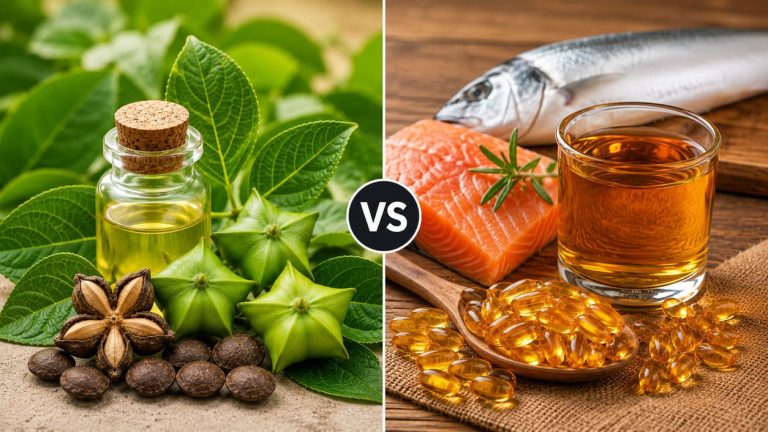
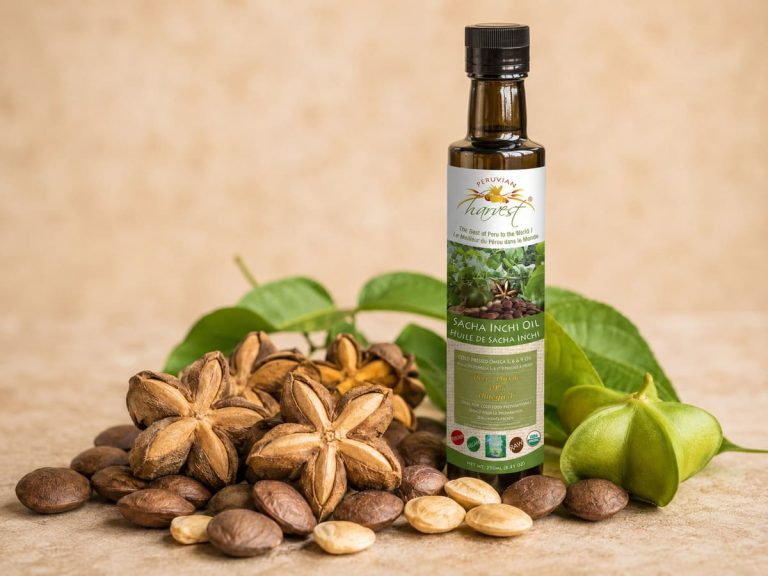
Sacha Inchi Omega-3 Oil is presented as an alternative source of omega-3.
Summary
Foods rich in omegas are also rich sources of lignans, a type of fibre that is changed by friendly bacteria in the gut into compounds associated with beneficial effects.
Omega-3 fatty acids contain natural anti-inflammatory agents and have been widely discussed in relation to heart health, blood lipids and recovery from exercise.
This content is provided for educational and reference purposes and should not be interpreted as medical advice.
Related Insights