
Research on Maca
A general reference resource covering maca’s origin and species classification, botanical and reproductive aspects, uses and properties, and reference topics related to energy, fertility, nutrition, stress, toxicity, sexual desire, and sperm count. It functions as an editorial reference guide rather than a single peer-reviewed study.
Origin · Species classification · Botanical description · Reproductive biology · Uses & properties · Scientific references · Energy & stamina · Hormonal & fertility studies · Nutritional studies · Stress & toxicity · Sexual desire · Sperm count
Maca (Lepidium meyenii Walp.)
Maca, scientifically known as Lepidium meyenii Walp., is an Andean plant traditionally cultivated for its root-hypocotyl axis. It is one of the most representative crops associated with the high-altitude regions of the central Peruvian Andes.
Lepidium meyenii Walp.
Maca, Peruvian ginseng
Maca, maka, maca-maca, maino, ayak chichira, ayak willku
Research references identify maca by both its scientific and common names, including names used in English, Quechua and Spanish. These references help connect the botanical identity of the plant with its long-standing traditional use in the Andes.
Origin
The genus Lepidium is widely distributed throughout the world and is found on all continents except Antarctica. Research references indicate that the genus probably originated in the Mediterranean basin, where many of the diploid species are found.
Although the precise time of origin of the genus and the mechanisms responsible for its global distribution are not fully known, available evidence suggests that long-distance dispersal during the late Tertiary or Quaternary periods likely played an important role in the colonization of the Americas and Australia.
This mechanism of distribution is considered more likely than continental drift and appears to be similar to patterns observed in related genera of the Brassicaceae family, such as Capsella and Cardamine.
Genetic traits associated with establishment
Autogamy and polyploidy are common genetic characteristics observed in immigrant species of Lepidium. These traits may have helped the genus establish itself in new habitats.
While there are extensive taxonomic studies of Lepidium species in Australia and North America, as well as general monographs on the genus, information is more limited for South American endemic species. This is particularly true for Andean Lepidium species, most of which belong to the sections Dileptium and Monoploca.
These Andean species are especially relevant because they grow in high-altitude habitats, reaching elevations of up to approximately 4,500 meters, and include the cultivated species known as maca.
Maca was probably domesticated in San Blas, Junín, between approximately 1,300 and 2,000 years ago, although much about its exact origin remains unknown. Historical references suggest that during the 16th and 17th centuries, maca may have had a wider range of cultivation than it does today.
The presence of wild species of different ploidy levels, sometimes growing in the same areas as the cultivated taxon, suggests that possible ancestral species may still be available for study. Taxogenetic research could therefore help identify ancestral relatives of cultivated maca and may support future genetic improvement if useful traits are found in related wild species.
Species Classification
Maca belongs to the Brassicaceae family, also known as Cruciferae. This family contains many important crop plants and includes approximately 3,000 species.
Economically important crops within Brassicaceae
- Starch plant: Maca (Lepidium meyenii)
- Oilseeds: Rapeseed (Brassica napus) and crambe (Crambe abyssinica)
- Vegetables: cauliflower, common cabbage, Brussels sprouts, Chinese cabbage, garden rocket, watercress, radish and garden cress
- Spices: mustard species including Brassica nigra, Brassica juncea and Sinapis alba
- Fodder: fodder kale and fodder radish
The species in Brassicaceae are classified into three large cosmopolitan sections — Dileptium, Monoploca and Lepidium — and three smaller sections restricted to the Old World: Lepia, Lepiocardamon and Cardamon.
The genus Lepidium belongs to the tribe Lepidieae and the section Monoploca of the Brassicaceae family. It is described as one of the largest genera in the family, with approximately 175 species.
Cultivated species in the genus Lepidium
Maca is described as the only Lepidium species cultivated as a starch crop. Three other cultivated species are also mentioned within the genus:
- Garden cress or land cress (Lepidium sativum L.), grown worldwide and used at the cotyledon or seedling stage as a salad component.
- Dittander (Lepidium latifolium L.), historically cultivated as a salad plant in Ancient Greece and used as a medicinal plant in the Canary Islands.
- Poor man’s pepper (Lepidium virginicum L.), used as a leafy vegetable by the Tarahumara Indians in Mexico.
Taxonomic discussion
The classification of the Andean cultivated species has been questioned in scientific literature. Chacón proposed changing the name from Lepidium meyenii Walp. to Lepidium peruvianum Chacón sp. nov., based on morphological observations and comparative analysis of herbarium specimens from Germany and the United States.
The original collections of Lepidium meyenii were made outside the current range of maca cultivation, specifically in Puno, Peru. Although maca is believed to have been cultivated in Puno during Inca times, there is no evidence of the crop being cultivated there at present.
Other accessions collected in Bolivia and Argentina were also classified as Lepidium meyenii. However, superficial morphological inspection does not show clear resemblance to maca in some of these early herbarium specimens, many of which are not in optimal condition. For this reason, the proposed species name change is described as justifiable, although additional taxonomic research is still required.
At least seven wild species of Lepidium, including the cultivated species, have been reported in Peru from the departments of Ancash to Puno. Other Andean species have been collected in Ecuador, Bolivia and Argentina. Little is known about the origin of these species or their possible relationship to cultivated maca.
Although maca is octoploid, surveys of Andean wild species of Lepidium have included both tetraploid and octoploid species. Research using RAPD and RFLP markers found very low polymorphism among cultivated maca accessions, and phylogenetic distances based on RAPD markers suggested that none of the wild species screened at the time was closely related to cultivated maca.
Botanical Description and Reproductive Biology
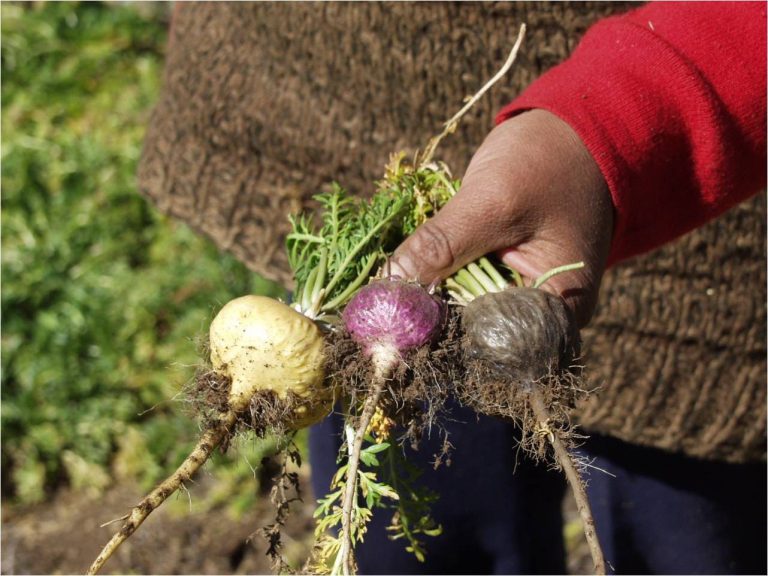
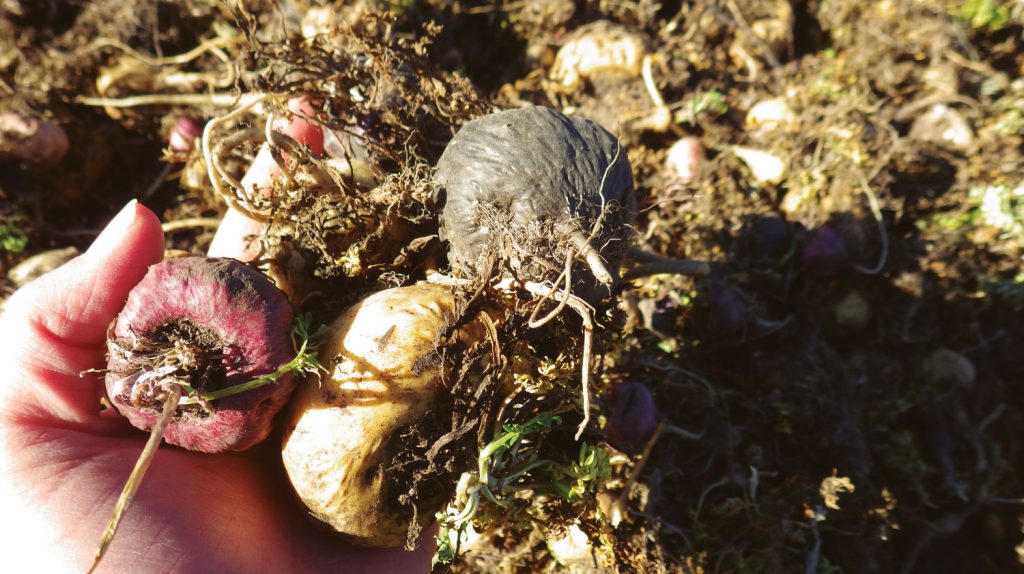
The maca plant is described as a rosette of frilly leaves with an enlarged, fleshy underground organ formed by the taproot and the lower part of the hypocotyl. These parts swell during growth, forming a storage organ similar in appearance to a turnip. In practical terms, this storage organ is commonly referred to as the hypocotyl and is the economically used part of the plant.
The foliage forms a mat that grows close to the ground. The leaves show dimorphism, being larger during the vegetative phase and smaller during the reproductive cycle. The hypocotyls can present a range of colors, from purple to cream and yellow.
Rosette of frilly leaves close to the ground
Enlarged root-hypocotyl storage organ
2n = 8x = 64
The species is described as octoploid, with 2n = 8x = 64 chromosomes. Its meiosis is reported as normal, with chromosomes associating predominantly as bivalents. This type of association indicates that maca is a disomic polyploid. Polyploidy is common among species of the tribe Lepidieae, to which maca belongs.
Most pollen collected from maca flowers is fertile, as measured by pollen stainability. As in other cruciferous species, the pollen grains are tri-nucleated.
Life cycle
Maca may complete its life cycle within one year when climatic conditions are favorable. However, it is often considered a biennial plant because it has a vegetative cycle followed by a reproductive phase.
In the Junín area, maca is frequently grown as a biennial crop by keeping the hypocotyls underground during the dry season. In favorable years, when there is sufficient soil moisture and no severe frost damage, plants left in the field may complete their life cycle within a year.
The vegetative phase includes the expansion and growth of the hypocotyl and root. These organs become fully enlarged approximately seven months after planting. At this stage, the plants begin their reproductive phase, and the first floral buds may appear at the center of the rosette or in some leaf axils.
Flowering and seed production
As the reproductive phase begins, generative shoots grow rapidly at the base of the plant, radially and under the leaves. These shoots produce secondary branches and generate most of the plant’s seed.
Approximately 20 primary generative branches may occur per plant, each producing around 13 secondary branches. These branches produce flowering racemes for about three months. Each secondary branch may yield racemes with 50 to 70 flowers, meaning that a single primary branch may bear close to 1,000 flowers.
Fruits set in many of these flowers and mature in approximately five weeks. Once mature, fruits initiate dehiscence and release their seeds. During the extended flowering period, both fruits and flowers can be observed on the generative branches.
Approximately 85% of the fruits bear seeds. The seeds do not appear to have dormancy and may germinate in five to seven days at 25°C under good moisture conditions. A single maca plant can produce approximately 14 grams of seed, and one gram contains about 1,600 seeds. The seeds are small, around 2 millimeters long, and range from light tan to brown.
Flowers and pollination
Maca flowers are inconspicuous and arranged in axillary racemes. They have four erect, concave sepals and four small white petals. The ovary is oval and bicarpelar, with a short style that develops into a dehiscent silique of two locules, each carrying one seed.
The flowers usually have two functional stamens, sometimes three, with well-developed anthers. A variable number of rudimentary stamens, consisting only of filaments, may also be present. Although the normal number of functional stamens in Brassicaceae is six, variation in the androecium is common in the genus Lepidium.
Pollination begins four to five days after the flower bud is first visible and continues for approximately three additional days. The anthers and petals then wither while the ovary enlarges and fruit development begins.
Part of anthesis occurs while the flower is still closed, indicating that maca flowers are partially cleistogamous. Additional evidence for autogamy comes from spontaneous fruit-setting in flowering plants grown in chambers where insects were excluded.
In Junín, the native production area of maca, no insect pollinators working the flowers were observed in the cited research. Only sporadic visits by a few Diptera species were noted, and observations in Davis, California, similarly showed only limited insect visitation. These observations suggest that maca reproduces predominantly by self-pollination.
Uses and Properties
Traditional food uses
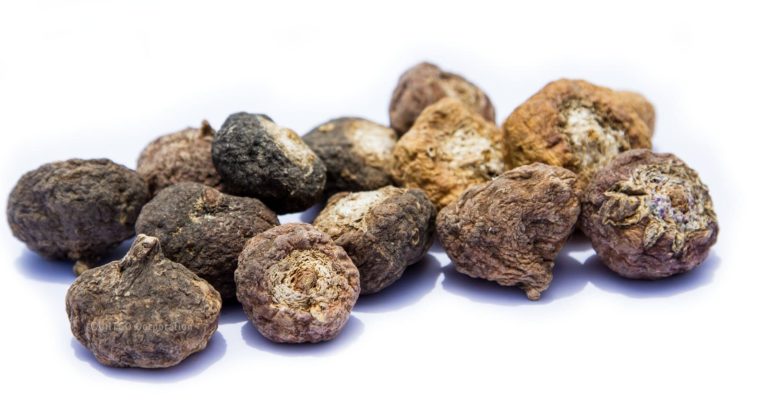
Maca is cultivated for consumption of its root-hypocotyl axis. Traditionally, the hypocotyls are eaten fresh, cooked in pachamancas, dried for later consumption, boiled in water or milk, mixed with honey and fruit, or used in beverages.
Processed preparations
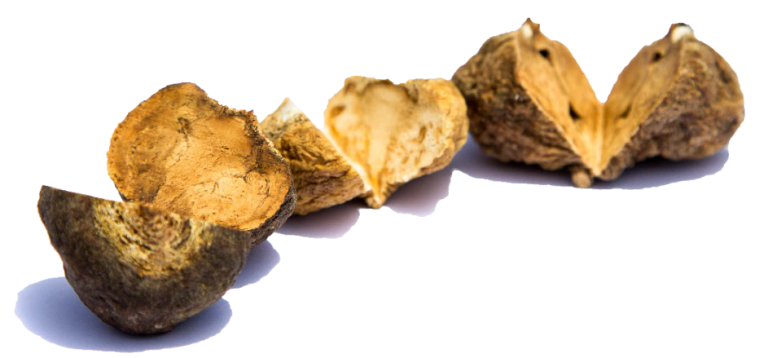
Dried maca roots may be prepared as flour for bread and cookies. Toasted and ground hypocotyls have also been used to prepare a coffee-like drink commonly referred to as maca coffee.
Maca is used in several traditional preparations. Dried roots may be boiled in water or milk, mixed with honey and fruit for juices, or combined with sugarcane rum for cocktails and other alcoholic beverages.
Maca is also mixed with chuño, oca, quinoa and soy beans to prepare different dishes and desserts. Flour made from dried maca roots is used for bread and cookies, while toasted and ground hypocotyls are used to prepare maca coffee.
Local consumers near production sites are described as preferring medium-sized yellow maca roots. Larger roots are said to take longer to cook, while yellow roots are traditionally preferred because they are believed to be sweeter than roots of other colors. Darker roots are described as stronger in flavor and slightly bitter.
The pharmaceutical industry became an important consumer of maca, processing roots that were in acceptable sanitary condition. The main centers of commercialization mentioned are La Oroya, Junín and Huancayo.
Traditional beliefs and historical references
According to folk belief, maca has been traditionally associated with sexual drive and fertility in humans and domestic animals, especially in high-altitude environments where reproduction may be affected. These beliefs form part of the historical and cultural context of maca use.
A historical account related to the Spanish arrival in the highlands of Junín describes maca as a valued crop because horses and other domestic animals were believed to benefit from grazing in maca fields at high altitude.
Traditional narratives from the time of the Tawantinsuyo describe maca as a food given to warriors before battle to support energy and vitality. The same narratives indicate that after conquering a city, soldiers were prohibited from consuming maca as a protective measure for women.
In early times, maca was appreciated not only as a nutritious food but also as a ceremonial offering, together with crops such as corn and potatoes. The material mentions offerings made in honor of mountain Raco in Junín and also describes maca as part of beverages used in dances and religious ceremonies.
Compounds associated with traditional properties
Chemical analyses suggest that some of maca’s traditionally attributed properties may be related to biologically active aromatic isothiocyanates, including benzyl isothiocyanate and p-methoxybenzyl isothiocyanate.
Prostaglandins and sterols found in the hypocotyls are also discussed in relation to maca’s traditional reputation.
Properties
The nutritional value of dried maca hypocotyls is described as high, with a composition that resembles cereal grains such as maize, rice and wheat. Fresh hypocotyls contain a high percentage of water.
Dry maca hypocotyls are generally described as containing carbohydrates, proteins, fiber and lipids, although exact values may vary depending on the type of hypocotyl used. Approximate values include 59% carbohydrates, 10.2% proteins, 8.5% fiber and 2.2% lipids.
Maca contains essential amino acids and is described as having higher levels of iron and calcium than white potato. It also contains fatty acids, particularly linoleic, palmitic and oleic acids, as well as sterols and minerals such as iron, calcium and copper.
Alkaloids are also reported as present in maca, although these compounds had not yet been fully determined in the referenced material. Maca’s strong and distinctive flavor is associated with glucosinolates.
References and Articles
This section brings together historical references, professional opinions, practitioner observations and editorial articles associated with maca. The content reflects how maca has been described in traditional, nutritional and complementary health contexts.
In Peru, where maca is grown, the root has traditionally been consumed as a food. Once listed among endangered plants, maca later became cultivated on thousands of acres as a commercial crop. The dried root can be ground and used in soups, beverages and other preparations, while the leaves have also been used for tea.
Maca has been consumed in Peru for many centuries, since before the time of the Incas. It has been historically valued for energy, vitality and its relationship with traditional concepts of hormonal and reproductive health. During the colonial period, Spaniards became aware of the value of maca and collected tribute in maca roots.
Professional and Historical References
Aguila Calderon, MD, former dean of the Faculty of Human Medicine at the National University of Federico Villarreal in Lima, is referenced as one of the Peruvian physicians associated with the use of maca in clinical and nutritional contexts. He is mentioned in relation to male impotence, erectile dysfunction, menopausal symptoms, general fatigue, bone health, weakness and nutritional support.
Arizona physician Gary F. Gordon, MD, former president of the American College for Advancement in Medicine, is also referenced as a supporter of maca. The material associates maca with the normalization of steroid hormones such as testosterone, progesterone and estrogen, and presents it as different from erection-enhancing drugs because its focus is described in relation to libido and general hormonal function rather than a direct pharmacological effect.
Peruvian medical references describe maca as acting differently from hormone replacement therapy, through support of the hypothalamus and pituitary, which are involved in the regulation of endocrine glands.
Animal Observations
The material refers to alkaloids isolated from maca root and animal studies in which male and female rats were given either powdered maca root or alkaloids. In the cited observations, female rats receiving either root powder or alkaloids showed multiple egg follicle maturation, while male rats showed higher sperm production and motility rates than control groups.
The interpretation presented in the material was that maca’s alkaloids, rather than plant hormones, were associated with the observed fertility-related effects in rats. These observations were discussed in relation to the hypothalamus-pituitary axis.
Early Human Research References
Scientist Gustavo Gonzales of Peru’s Cayetano Heredia University is referenced as leading one of the first studies into maca’s effects in humans. The material describes a three-month trial involving 12 male volunteers and mentions observations related to libido and sperm production, as well as blood pressure and cardiac safety.
The document also includes dosage language from the historical material, mentioning an intake range of approximately 3,000 to 5,000 mg per day of maca. This information is included as part of the referenced content and should not be treated as individualized dosage advice.
Practitioner References
Jorge Aguila Calderon, MD
Jorge Aguila Calderon, MD, former dean of the Faculty of Human Medicine at the National University of Federico Villarreal in Lima, is referenced as one of the Peruvian physicians associated with the use of maca in clinical and nutritional contexts.
Dr. Calderon is associated with the use of maca in relation to male impotence, erectile dysfunction, menopausal symptoms, general fatigue, bone health, weakness and nutritional support.
He is also referenced in connection with maca’s content of calcium, magnesium and silica, nutrients traditionally associated with bone and general nutritional support.
The material relates his use of maca to several areas, including male impotence, male sterility, female sterility, rickets, forms of anemia, menopausal symptoms such as hot flashes and night sweats, climacteric and erectile difficulties in men, premature aging and general weakness, including chronic fatigue.
Hugo Malaspina, MD
Hugo Malaspina, MD, a cardiologist in Lima who later practiced complementary medicine, is referenced as one of the modern pioneers in the use of maca for an urban population.
Dr. Malaspina had used maca root in his practice for approximately a decade. He described maca as different from other medicinal plants that act on the ovaries, presenting it instead as a plant related to the regulation of ovarian function.
His interest in maca reportedly began after hearing about a group of elderly men, all over 70 years old, who consumed powdered maca as a beverage and associated it with improved vitality and sexual activity.
This experience led him to further investigate maca and begin recommending it to other patients.
Dr. Malaspina described maca as a plant that does not introduce hormones from outside the body, but instead supports the body’s own glandular functions. He associated maca with the regulation of organs of internal secretion, including the pituitary, adrenal glands and pancreas.
The material also references his experience with female patients whose premenopausal and postmenopausal symptoms were reportedly alleviated while taking maca.
Gabriel Cousens, MD
Gabriel Cousens, MD, a physician practicing internal medicine in the United States, is referenced in relation to maca and endocrine balance.
Dr. Cousens is presented as preferring maca therapy, whenever possible, over hormone replacement therapy. His view was that hormone replacement therapy may diminish the hormone-producing capability of the glands.
He is also referenced as having used maca with menopausal patients in relation to hot flashes, depression and energy levels.
The material includes practical intake observations, mentioning that some patients began with half a teaspoon of powder or three capsules per day, and in some cases increased to one teaspoon or six capsules per day.
Henry Campanile, MD
Henry Campanile, MD, a specialist in internal, family and complementary medicine practicing in Florida, is referenced in relation to maca and adrenal support.
Maca is described in this context as acting through the hypothalamus and pituitary, with a balancing and nourishing effect on the adrenal glands.
Dr. Campanile described his personal experience with adrenal fatigue and his search for alternatives to long-term cortisone use. This experience led him toward complementary medicine and later to maca.
After beginning maca himself, Dr. Campanile reported feeling more energetic and rested. He later began using maca with patients.
One patient example described a menopausal patient experiencing hot flashes and related symptoms, who reportedly began feeling better after several days of using maca. Dr. Campanile is also referenced in relation to patients described as having low adrenal function.
Harold Clark, MD
Harold Clark, MD, of New Rochelle, New York, is referenced as a physician who used maca therapeutically with some patients. His practice is described as including chelation therapy, ozone therapy, herbs, B vitamins and minerals.
Dr. Clark is quoted as being surprised by the speed of the response he observed in two patients of concern.
One case narrative describes a 55-year-old postmenopausal woman referred to as Mary T. She had several health challenges, including issues related to sugar, hypertension, atrial fibrillation and hypomagnesemia, and had been acutely ill for two months with osteomyelitis and generalized sepsis.
According to the narrative, Mary T. had been unable to work, was experiencing significant fatigue and depression, and reported feeling progressively worse over several years.
Within four days of taking maca capsules, she reportedly experienced a significant turnaround, including going shopping, cleaning her house, feeling stronger and more vigorous, and reporting improvement in mood.
Garry P. Gordon, MD
Garry P. Gordon, MD, former president of the American College for Advancement in Medicine and founder and president of the International College of Advanced Longevity Medicine in Chicago, Illinois, is referenced in relation to maca and healthy aging.
Dr. Gordon’s appreciation of maca is presented as being based partly on his personal experience with the Peruvian root.
He associated maca with improved erectile tissue response and used the phrase “nature’s answer to Viagra” in relation to maca. This phrase is retained as an attributed statement from Dr. Gordon.
He also associated maca with the normalization of steroid hormones such as testosterone, progesterone and estrogen, and with healthier hormonal function in the context of aging.
Dr. Gordon further described sexual activity as a possible marker of overall aging and longevity.
Burton Goldberg, MD
Burton Goldberg, MD, president of Future Medicine Publishing in Tiburon, California, is also referenced as an enthusiast of maca.
Goldberg is described as having tried maca personally and being pleased with the results, after which he began taking it regularly.
His statement is presented as a personal testimonial related to aging and sexual vitality.
Article: On Our Way to Balanced Health
The page reproduces an article titled On Our Way to Balanced Health by Carmen Mattes, MH, which appeared in Vista Magazine, issue 35, July/August 2004. The article describes maca, also called Peruvian ginseng, as a plant that drew attention from both baby boomers and scientists because of its traditional reputation.
The article describes maca as an Andean tuber grown at elevations up to approximately 14,000 feet, in conditions where few other crops survive. It highlights maca’s resilience in extreme weather and its nutritional profile, including phytonutrients, amino acids, vitamins and minerals.
Maca and the endocrine system
The article presents maca as a plant traditionally associated with strengthening and balancing the endocrine system in both sexes. It focuses on the hypothalamus-pituitary axis, which is involved in the regulation of the hormonal system.
It also discusses the reproductive system, thyroid, parathyroid, pancreas and adrenal glands in relation to general glandular nutrition. The original article associates maca with several areas of well-being, including vitality, reproductive health, menopausal well-being and general endocrine balance.
Stress and adrenal glands
The article links stress response to the function of the adrenal glands and describes maca as an adaptogen traditionally used to support resilience and general vitality. It frames maca as a food that may help the body respond to stress through nutritional support.
Hormone replacement therapy context
The article compares maca with hormone replacement therapy and estrogenic herbs, arguing that maca acts differently by supporting endocrine regulation rather than introducing hormones or phytoestrogens. It cites Dr. Hugo Malaspina and Dr. Gabriel Cousens in relation to menopausal symptoms and energy levels.
Male menopause and aging
The article discusses andropause, commonly described as age-related changes in male hormonal function, and includes a quote attributed to Dr. Garry F. Gordon describing maca as “nature’s answer to Viagra.” This phrase is retained as an attributed historical statement from Dr. Gordon.
Athletic performance and other benefits
The article associates maca with sports nutrition, lean muscle mass, endurance and strength, largely because of its natural sterol content. It also includes references to anti-aging, fertility, PMS, chronic fatigue, depression, cholesterol, blood pressure, osteoporosis, anemia, memory and immune support.
Selecting and using maca
The article recommends choosing pure maca from the Peruvian highlands and emphasizes the use of maca root. It also discusses gelatinized maca as a more concentrated and digestible form, because gelatinization removes starch from the root.
The article mentions capsules, tablets, tinctures and powder, as well as daily intake ranges. This information is retained as part of the referenced article and should not replace professional advice.
Libido Enhancing & Sexual Performance Studies
This section lists studies related to sexual desire, sexual behavior and reproductive hormones. These studies include both human and animal research and should be interpreted according to their design.
Effect of Lepidium meyenii on sexual desire in adult healthy men
This study was a 12-week, double-blind, placebo-controlled, randomized, parallel trial comparing different doses of gelatinized maca with placebo.
The study aimed to determine whether maca’s effect on subjective sexual desire was related to mood changes or serum testosterone levels. Men aged 21 to 56 years received either 1,500 mg of maca, 3,000 mg of maca, or placebo.
Self-perception of sexual desire, Hamilton depression scores and Hamilton anxiety scores were measured at 4, 8 and 12 weeks of treatment. The study reported an improvement in sexual desire with maca beginning at 8 weeks of treatment.
Serum testosterone and estradiol levels were not different between men treated with maca and those receiving placebo. Logistic regression analysis indicated that maca had an independent effect on sexual desire at 8 and 12 weeks, and that this effect was not due to changes in depression, anxiety, testosterone or estradiol levels.
Lipidic extract of Lepidium meyenii and sexual behavior in mice and rats
This study evaluated the effect of a purified lipidic extract of Lepidium meyenii on sexual behavior in mice and rats.
Oral administration of maca extract enhanced sexual function in the animal models, as evidenced by an increase in the number of complete intromissions and sperm-positive females in normal mice, and a decrease in latency parameters in male rats with erectile dysfunction.
Lepidium meyenii and sexual behavior in male rats
This study evaluated the effect of acute and chronic oral administration of pulverized maca root on sexual behavior in male rats.
Sixty sexually experienced male rats were treated daily for 15 days with either maca at 15 mg/kg, maca at 75 mg/kg, or saline. An activity cage test was also used to evaluate whether changes in locomotor activity could indirectly improve sexual performance.
Both acute and chronic oral administration of maca significantly improved sexual performance parameters in male rats.
Maca and serum reproductive hormone levels in adult healthy men
This 12-week, double-blind, placebo-controlled, randomized, parallel trial compared different doses of gelatinized maca with placebo.
The purpose of the study was to test whether maca affected serum reproductive hormone levels in apparently healthy men when administered in doses used in relation to aphrodisiac or fertility-enhancing properties.
Men aged between 21 and 56 years received either 1,500 mg or 3,000 mg of maca. Serum levels of luteinizing hormone, follicle-stimulating hormone, prolactin, 17-alpha hydroxyprogesterone, testosterone and 17-beta estradiol were measured before treatment and at 2, 4, 8 and 12 weeks.
Compared with placebo, maca had no effect on any of the hormones studied, and the hormones did not show changes over time. The study concluded that treatment with maca does not affect serum reproductive hormone levels.
Energy & Stamina Studies
This section includes human and animal studies related to physical performance, stamina, oxygen consumption and glucose-related energy supply. Several of these are identified as draft papers and should be interpreted accordingly.
Physical-energetic performance in humans
This prospective, double-blind, placebo-controlled study evaluated daily maca supplementation in healthy adults.
The study reported an improvement in the physical performance of healthy adults supplemented with Lepidium meyenii, significantly superior to the placebo group. An increase in the distance range in the six-minute walking test was reported for people in the maca group.
No modifications in weight or biochemical nutritional parameters were detected, suggesting that the reported stamina-related property was considered independent from maca’s nutritional features. No side effects were reported with maca ingestion in the cited draft paper.
Vigor-inducing effect of maca in mice
This study compared a group of mice supplemented with Lepidium meyenii with a control group in order to evaluate stamina-related effects.
A significant increase in energetic performance, measured through oxygen consumption, as well as an increase in resistance during swimming time, was reported. These observations were presented as evidence of a vigor-inducing effect of maca in mice.
Stamina activity of two maca extracts in albino mice
This study evaluated two standardized maca extracts with a known concentration of glucosinolates in relation to stamina activity in mice.
Oxygen consumption, including VO2 max at rest and after activity, was used as part of the evaluation. A significant increase in energetic performance was reported in mice supplemented with glucosinolate-enriched extracts compared with a non-supplemented control group.
The study added evidence regarding the energetic capability of maca in animal models.
Antihypoglycemic effect of maca in mice
In this study, the antihypoglycemic effect of Lepidium meyenii was investigated in fasted and insulin-induced hypoglycemic mice.
The findings indicated an antihypoglycemic effect of maca and suggested that this effect may promote gluconeogenesis. The findings were discussed in relation to energy supply under hypoglycemic conditions.
Hormonal & Fertility Studies
This section groups abstracts and biological studies related to estrogenic activity, hexanic extracts, fertility in guinea pigs and testicular function in mice. These references are mostly abstracts, thesis summaries or draft papers.
Estrogenic property of maca in rats
This reference is described as an abstract report presented at the Peruvian Congress of Pharmacy.
It refers to pro-estrogenic effects observed after administration of a hexanic extract of Lepidium meyenii. The increased weight of ovaries was identified as the main feature considered in relation to the pro-estrogenic effect observed in the treated group.
Active principles of hexanic extract of Lepidium meyenii
This abstract presented at a Peruvian congress reports the use of a hexanic extract of maca in post-menopausal women.
According to the material, serum luteinizing hormone levels, frequently increased in post-menopausal women, decreased after supplementation. The values cited were 117.189 mUI/mL before supplementation and 32.03 mUI/mL after treatment.
Different levels of maca and fertility in guinea pigs
This biological study in guinea pigs focused on the use of different levels of Lepidium meyenii supplementation to evaluate the number and characteristics of offspring.
The study reported an increase in the number of descendants in direct relationship to the amount of maca supplementation. It also states that the quality of offspring was improved by supplementation with maca.
Protective effect of maca in testicular function of mice
This biological study in mice focused on the protective effects of maca on testicular production of spermatozoids.
In the study, spermatozoid production was damaged by an overdose of an imidazolic compound. The group of mice supplemented with maca showed better recovery of spermatozoid production compared with the control group.
The interpretation presented was that maca showed either a cytoprotective effect on the sperm cell line or an increased recovery capacity.
Nutritional Studies
This section includes nutritional and phytochemical studies related to maca, with emphasis on the constituents of the tuber and the nutritional value of Lepidium meyenii.
Investigation of the tuber constituents of Maca
This study investigated the constituents of maca tubers. Secondary metabolites from the tubers of Lepidium meyenii were studied in order to better characterize compounds present in the plant.
The methanol extract was reported to contain free sugars and amino acids, as well as uridine, malic acid and glucosinolates. The glucosinolates identified included glucotropaeolin and m-methoxyglucotropaeolin.
The study also evaluated compounds found in the hexane extract. Degradation products of glucosinolates were identified, including benzylisothiocyanate and its m-methoxy derivative.
The study is relevant because it contributes to the chemical characterization of maca and helps explain the presence of compounds that have been discussed in relation to maca’s traditional properties and distinctive flavor.
Nutritional evaluation of Lepidium meyenii
Nutritional research on maca has described the dried hypocotyls as having a high nutritional value, with a composition that resembles cereal grains such as maize, rice and wheat.
Dried maca hypocotyls are commonly described as containing carbohydrates, proteins, fiber, lipids, essential amino acids, fatty acids and minerals. The nutritional profile may vary depending on the type of hypocotyl and the conditions in which the crop is grown and processed.
Maca has also been described as containing higher levels of iron and calcium than white potato, as well as fatty acids such as linoleic, palmitic and oleic acids. Sterols and minerals such as iron, calcium and copper have also been identified.
Glucosinolates are also associated with maca’s characteristic flavor and are among the compounds that have attracted interest in nutritional and phytochemical studies.
Anti-Stress & Toxicity
This section includes studies related to anti-stress activity and toxicity evaluation. The studies listed here are primarily animal studies and should be interpreted within that research context.
Maca and its anti-stress effect in an animal model in mice
This study evaluated Lepidium meyenii in an experimentally induced stress model in mice.
The study reported lower stress scores and faster normalization of stress indicators in the maca-supplemented group compared with the control group.
The findings were presented in the source material as evidence of an anti-stress effect of maca in an animal model.
Anti-stress effect of two extracts of maca enriched in glucosinolates
This study used mice to evaluate two maca extracts enriched with glucosinolates. The extracts were administered orally in an experimentally induced stress model.
The model described in the material involved stress induced through electrical stimulation. The purpose was to evaluate whether glucosinolate-enriched extracts of maca showed anti-stress activity.
The study is included as part of the research history of maca extracts and their potential biological activity.
Toxicity and safety context
The research material includes anti-stress and toxicity-related references as part of the broader scientific discussion around maca.
In the context of this page, toxicity-related material should be read as part of the research record and not as a replacement for formal safety evaluation, regulatory review or professional healthcare guidance.
Maca is traditionally consumed as a food in Peru, but specific extracts, doses, preparations and research models may differ from ordinary dietary use.
Sexual Desire
This section presents a human study on maca and sexual desire. The title has been normalized in English for consistency with the rest of the document.
Effect of Lepidium meyenii on sexual desire and its absent relationship with serum testosterone levels in adult healthy men
This study was designed to determine whether maca had an effect on subjective sexual desire and whether that effect was related to changes in mood, anxiety or serum testosterone levels.
Men aged 21 to 56 years received gelatinized maca at either 1,500 mg or 3,000 mg per day, or placebo, during a 12-week treatment period.
Self-perception of sexual desire, Hamilton depression scores and Hamilton anxiety scores were measured at 4, 8 and 12 weeks of treatment.
The study reported an improvement in sexual desire beginning at 8 weeks of treatment with maca. Serum testosterone and estradiol levels were not different between the maca-treated groups and the placebo group.
Logistic regression analysis showed that maca had an independent effect on sexual desire at 8 and 12 weeks of treatment. The reported effect was not explained by changes in depression scores, anxiety scores, serum testosterone or serum estradiol levels.
The conclusion reported in the study was that treatment with maca improved sexual desire.
Sperm Count
This section presents a human study on maca and semen parameters in adult men. The study was conducted with a small sample and should be interpreted accordingly.
Lepidium meyenii improved semen parameters in adult men
This study was designed to determine the effect of a four-month oral treatment with tablets of maca on seminal analysis in adult men aged 24 to 44 years.
Nine men received tablets of maca at doses of 1,500 mg or 3,000 mg per day for four months.
Semen analysis was performed according to World Health Organization guidelines. Serum levels of luteinizing hormone, follicle-stimulating hormone, prolactin, testosterone and estradiol were also measured before and after treatment.
Treatment with maca was reported to increase seminal volume, sperm count per ejaculate, motile sperm count and sperm motility. Serum hormone levels were not modified.
The increase in sperm count was reported as unrelated to dose. The study concluded that maca improved sperm production and sperm motility by mechanisms not related to luteinizing hormone, follicle-stimulating hormone, prolactin, testosterone or estradiol levels.
Related Insights