
Maca in Summary
A concise overview of Maca, created as a summary page to present the most relevant information about the ingredient, including its origin, traditional context, composition and key points for Peru Naturals visitors.
Origin · Traditional uses · Nutritional profile · Key benefits
What is Maca?
Brassicaceae
Lepidium
meyenii
Maca, Maka
Tuberous root
Andes of Peru
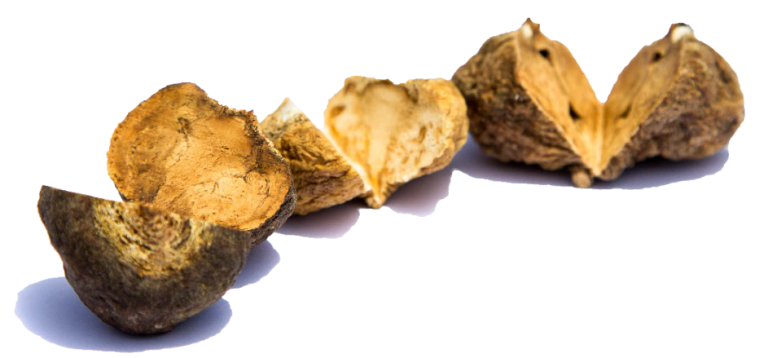
Maca (Lepidium meyenii Walp.) is a root that grows only in the Andean highlander zones of Peru, on the Junín Plateau, at altitudes of 4,250 m over sea level, approximately 14,000 ft.
The Maca plant was domesticated about 2,000 years ago. Primitive cultivars of Maca have been found in archaeological sites dating back as far as 1,600 B.C. The Incas used it among their people as part of their daily diet.

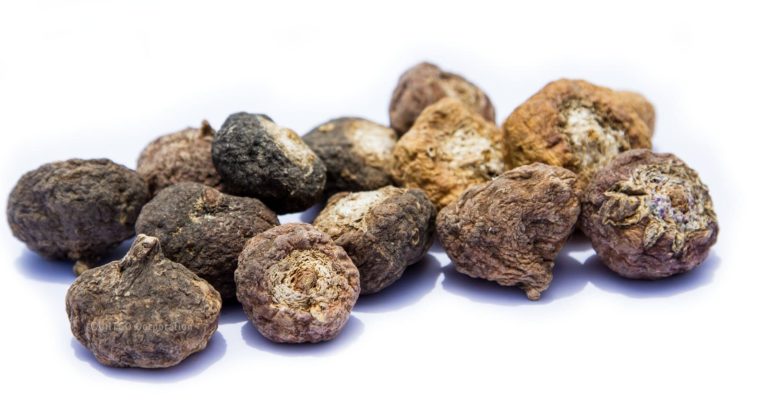
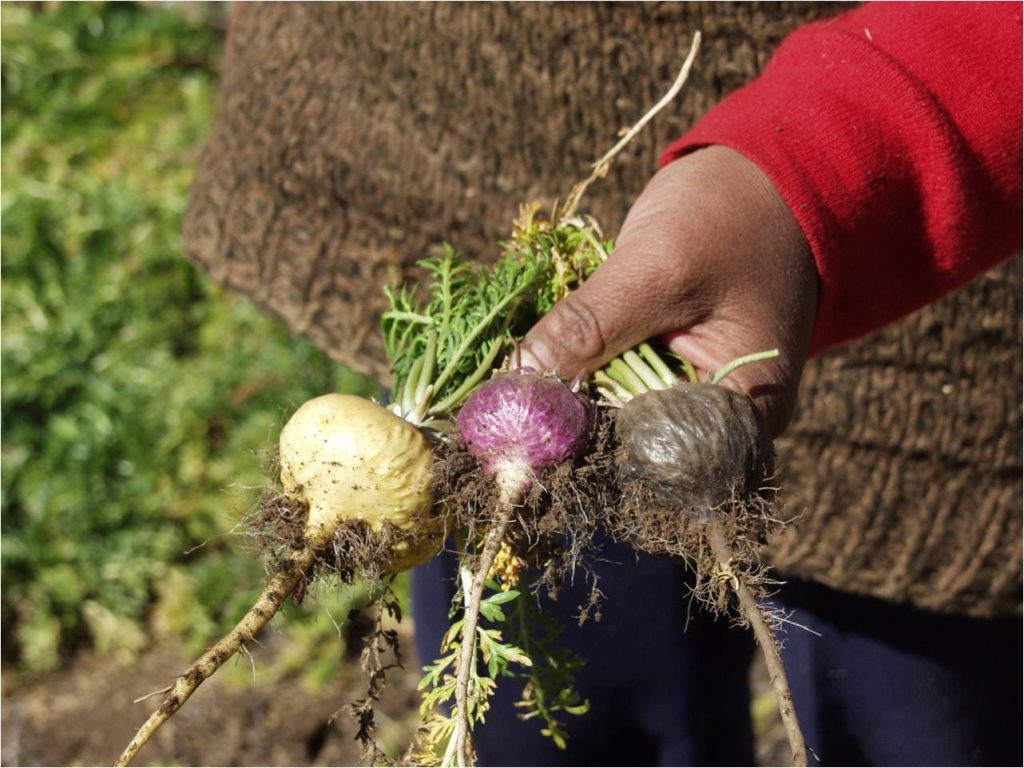
The plant is grown from seed and root maturation generally occurs within seven months. Its appearance may be described as a shrub with a low-growing, mat-like stem arrangement, small, off-white flowers and scalloped leaves. The root can be one of several colors, including cream, purple or black, and is of comparable shape to a turnip or radish.
What is Maca good for?
Maca is simply food which is loaded with vital nutrients. The synergy of Maca nutrients assists the body in recovering from different problems, overall providing balance and well-being.
Its action focuses mainly on the hypothalamus and pituitary glands, assisting the body in the production of hormones, thus providing hormonal balance and all the benefits derived from it. Maca is traditionally known in Peru for supporting hormonal deficiencies.
Traditionally, Maca has been used in Peru in many different situations, for example:
- Energy
- Physical and emotional well-being
- Mental clarity and memory
- Stress
- Stamina and athletic performance
- Hormonal balance
- Menopause, including hot flashes
- PMS, including mood swings
- Libido
- Sexual health
- Sleeplessness
- Blood pressure
- Cholesterol
- Immune system
Many benefits may be obtained from continuous use of Maca, but all of them are derived from a healthy and balanced system.
How does Maca work?
Maca stimulates and nourishes the hypothalamus and pituitary gland, which leads to regulation of the whole hormonal system.
Compared to other plants like soy, it does not contain hormones nor influence specific body hormones, but supports the body to respond to its needs by itself and individually.
Due to its action on the hypothalamus, Maca helps regulate body temperature, thirst, hunger and is involved in sleep and emotional activity.

What does Maca contain?
Maca is a unique food containing:
- Many high-quality proteins, carbohydrates and amino acids
- Potassium, calcium, zinc and magnesium, among over 30 minerals
- Nearly all vitamins, including B1, B2, B12, C and E
- Over 60 secondary metabolites, which are mainly responsible for the unique action of Maca
Is Maca safe?
Yes, it is a food which has been consumed for a very long time and therefore has a very long safety history. Maca by itself:
- Is a food
- Has no toxic actions
- Has no side effects besides positive ones
- Has no risk of overdose
- Supports women before, during and after pregnancy
- Is good for children, adults and elders
Other things to know
Maca is an adaptogen plant
An adaptogen plant is a substance, food or nutritive herb, which brings the body to a heightened state of resistance to disease through physiological and emotional health.
The word “adaptogen” was first used by the Russian scientist Dr. Nickolai Lazarev in 1947. He reported on several indigenous plants that helped increase the body’s natural resistance to environmental stresses and later adopted the term “adaptogens”.
Plants known as adaptogens are known to raise non-specific resistance to disease, be capable of normalizing functions in the body, be non-toxic and harmless to any organ of the body, and be safe for ingestion for long periods as a nutritive for preventative purposes.
Maca is one of the most powerful adaptogen plants known fulfilling all the above criteria. Maca’s effect on the body is two-fold: it nourishes the endocrine system and assists in normalizing the nervous and hormonal systems in the body when they are adversely affected by stress and aging changes.
Related Insights